How to Get More Results Out of Your door services Helensvale A1 Garage Doors Gold Coast
Garage Door Noise Repair: How to Fix Squeaky, Grinding & Rattling Doors
Is your garage door making annoying noises like squeaks, grinding sounds, or rattling? These noises can be more than just a nuisance; they might indicate worn parts or alignment issues that need urgent attention. Whether you're a DIY enthusiast eager to fix the problem yourself or considering professional services, this comprehensive guide will walk you through everything you need to know about garage door noise repair in 2026.
Common Causes of Garage Door Noise
Garage doors are complex mechanisms with many moving parts. Various factors can contribute to unpleasant noise, including:
- Squeaky Door: Often caused by dry or rusty hinges and rollers that need lubrication.
- Rusty Hinges: Corrosion on door hinges can lead to friction and squeaking sounds.
- Metal Fatigue: Over time, metal components such as springs, cables, and tracks develop fatigue, causing creaks and groans.
- Door Alignment Issues: Misaligned door tracks or panels can create grinding or rubbing noises.
- Garage Springs: Worn torsion or extension springs may produce snapping or creaking sounds when operating.
- Damaged Door Rollers: Old or broken rollers often result in rattling or scraping noises along the tracks.
- Door Tracks: Bent or obstructed tracks cause irregular movement and loud scraping or grinding sounds.
- Door Panels and Gaps: Loose panels or excessive door gaps can cause rattling or banging during operation.
Understanding these common causes is the first step toward effective noise reduction and repair.
Diagnosing Your Garage Door Noise Problem
Proper diagnosis helps determine whether a simple fix or professional intervention is necessary. Key areas to inspect include:
- Noise Complaints: Listen carefully to identify if sounds occur on opening, closing, or continuously.
- Motor Noise: The garage opener’s motor might generate humming or grinding if failing or poorly maintained.
- Door Balance: Unbalanced doors strain springs and motors, leading to irregular noises and operational issues.
- Rusty Rollers: Inspect rollers for rust or wear that can cause scraping and rattling within the tracks.
- Cable Repair Needs: Frayed or slack cables can snap or vibrate, causing alarming noises during motion.
- Tension Springs: Evaluate torsion and extension springs for cracks or sagging that may produce creaking or snapping sounds.
- Safety Sensors and Limit Switch: Faulty sensors or switch misalignment might cause abrupt stops accompanied by unusual noises.
Careful observation and some hands-on checking can help pinpoint noisy components quickly.
Step-by-Step Garage Door Noise Repair and Maintenance Guide
Lubrication Techniques for Noise Reduction
One of the simplest and most effective methods to reduce garage door noise is proper lubrication:
- Lubricate Door Hinges: Apply a high-quality garage door lubricant on all hinges to prevent squeaking.
- Pulleys and Rollers: Use silicone-based or lithium grease lubricants specifically designed for garage door components to ensure smooth, quiet movement.
- Dampers and Shock Absorbers: Adding vibration dampeners or replacing faulty shock absorbers can decrease operational noise and wear.
- Noise Reduction Tips: Avoid oil-based lubricants that attract dust and dirt, which can worsen grinding noises over time.
Regular lubrication every six months keeps your door running silently and extends part lifespan.
How to Replace Worn or Damaged Parts
When lubrication isn't enough, parts replacement may be necessary. Follow these general steps or consult a professional:
- Spring Replacement: Torsion and extension springs degrade and lose tension, causing loud noises and unsafe operation. Replace damaged springs promptly.
- Garage Door Cable: Frayed or snapped cables need urgent replacement to avoid further damage or injury.
- Door Rollers Replacement: Swap out worn nylon or steel rollers with quiet, durable replacements to reduce rattling and grinding.
- Door Brackets and Hardware: Tighten or replace loose brackets and bolts to eliminate clanging noises during movement.
Important: Spring replacement and cable repairs involve high tension. If unsure or inexperienced, hire a certified technician to handle these tasks safely.
Adjusting Door Alignment and Balance
Misalignment can cause constant scraping or banging noises; here’s how to adjust your door properly:
- Check Door Alignment: Visual inspection of tracks should show no bends or gaps. Use a level to confirm vertical and horizontal alignment.
- Door Balance Test: Disconnect the opener and manually lift the door halfway. It should stay in place; if not, springs require adjustment or replacement.
- Adjust Tracks: Loosen screws slightly, reposition tracks carefully, then tighten them back ensuring smooth door operation.
- Install or Adjust Door Stoppers: Proper stoppers prevent hard impacts that cause banging noises.
Correct alignment improves performance, safety, and reduces wear-and-tear noise significantly.
Garage Opener Noise Control and Maintenance
The garage opener itself can be a major source of noise. Here is how you can maintain and control its sound output:
- Identify Garage Opener Type: Chain drive openers tend to be louder than belt drive models, which offer quieter operation but at a higher cost.
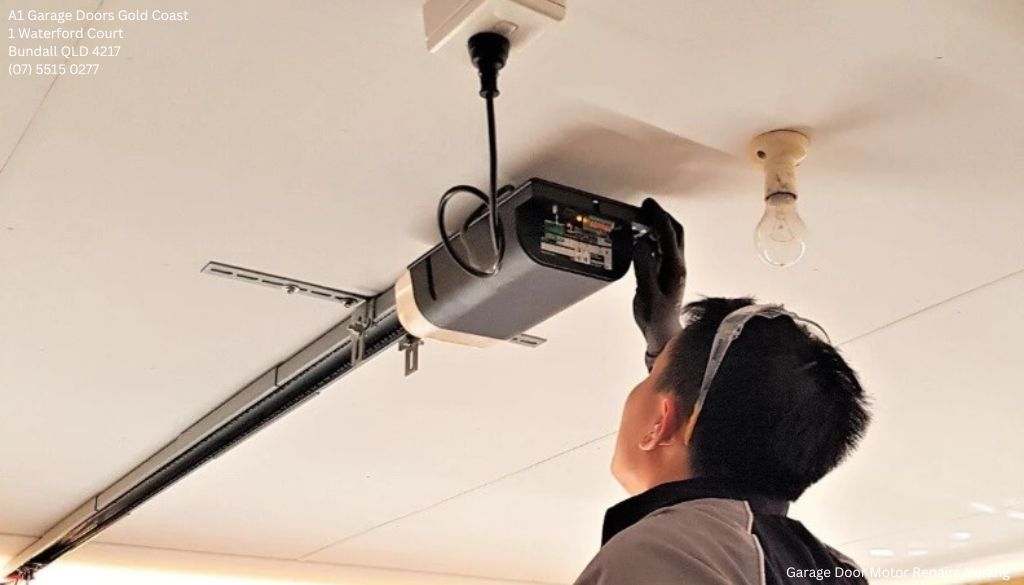
- Inspect Opener Motor: Listen for grinding or humming, which may suggest worn gears or inadequate lubrication inside the motor housing.
- Remote Control and Wall Switch Check: Ensure remote and wall switches function smoothly without causing erratic door movement noises.
- Manual Release Testing: Operate the manual release occasionally to keep cables and pulleys free-moving and silent.
Routine maintenance of the opener system alongside door hardware can drastically cut down unwelcome noises.
Professional Garage Door Noise Repair Services
Sometimes, the best solution is to engage expert garage door technicians who provide comprehensive noise repair services, including:
- Garage Door Tune-Up: Thorough inspection, lubrication, tightening, and adjustment to restore quiet and efficient operation.
- Cable Repair and Replacement: Safe handling of high-tension cables by professionals reduces risk and ensures longevity.
- Spring Replacement: Certified technicians replace torsion or extension springs swiftly and safely.
- Safety Sensors Check: Professionals verify sensor alignment and function, preventing noise from improper door stopping or reversing.
- Complete Garage Maintenance: Annual or biannual service contracts can keep your door and opener in optimal condition year-round.
Hiring professionals ensures safety, guarantees workmanship, and can often save money on costly future repairs.
Tips for Preventing Future Garage Door Noise
Prevention is key to maintaining a quiet garage door. Consider these tips for long-lasting noise reduction:
- Install Noise Insulation: Adding foam or rubber insulation on door panels muffles sound transmission.
- Use Weather Seals: Sealing door edges prevents rattling and limits vibration noise during operation.
- Apply Vibration Dampeners: Rubber pads or shock absorbers on the door frame and opener mount reduce transmitted noise.
- Perform Regular Garage Maintenance: Schedule cleaning, lubrication, and inspections at least twice a year.
- Invest in Quality Maintenance Tools: Use recommended lubricants and tools designed for garage door systems.
- Check Garage Door Sensors: Keeping sensors clean and aligned avoids sudden stops that cause harsh noises.
Consistent upkeep and investing in noise-cancelling upgrades can significantly extend the lifespan of your garage door system and maintain peace in your home environment.
Frequently Asked Questions About Garage Door Noise Repair
What causes my garage door to make loud noises?
Loud noises often arise from lack of lubrication, door services Helensvale A1 Garage Doors Gold Coast worn springs or rollers, misaligned tracks, or a failing garage door opener motor.
How can I lubricate my garage door correctly to reduce noise?
Use silicone-based or lithium grease lubricants on hinges, rollers, pulleys, and springs following manufacturer instructions. Avoid oil-based products that attract dirt.
When should I replace garage door springs or rollers to prevent noise?
Replace springs and rollers immediately if you notice visible wear, rust, or if the door becomes noisy or unbalanced during operation.
Can I fix a noisy garage door myself or should I hire a professional?
Simple tasks like lubrication and tightening bolts can be DIY. However, spring replacement and cable repairs are dangerous and best handled by professionals.
How do I know if the garage door opener is causing the noise?
If the noise is loud and originates near the motor unit or tracks, especially grinding or rattling, the opener or its components likely require maintenance or replacement.
What maintenance steps help keep my garage door quiet year-round?
Regular lubrication, cleaning, alignment checks, and professional tune-ups at least twice annually will keep noise at bay.
Is it normal for a garage door to be noisy in cold weather?
Yes, cold temperatures can cause metal parts to contract, stiffen lubricants, and increase noise temporarily until warmed up.
How much does professional garage door noise repair typically cost?
Costs vary widely depending on the issue but expect general tune-ups to range around $100-$200, spring replacements $150-$300, and full repairs potentially more.
In conclusion, a noisy garage door is a common but manageable problem. With proper diagnosis, timely lubrication, part replacements, and occasional professional help, you can enjoy a smooth, quiet garage door for years to come. Don’t let the noise disrupt your daily life—take action today and consider both the DIY fixes and expert services that will keep your garage door operating quietly and safely.